
Etsy now wants a real photo of the real thing
3 min read
AI / 3 MIN READ
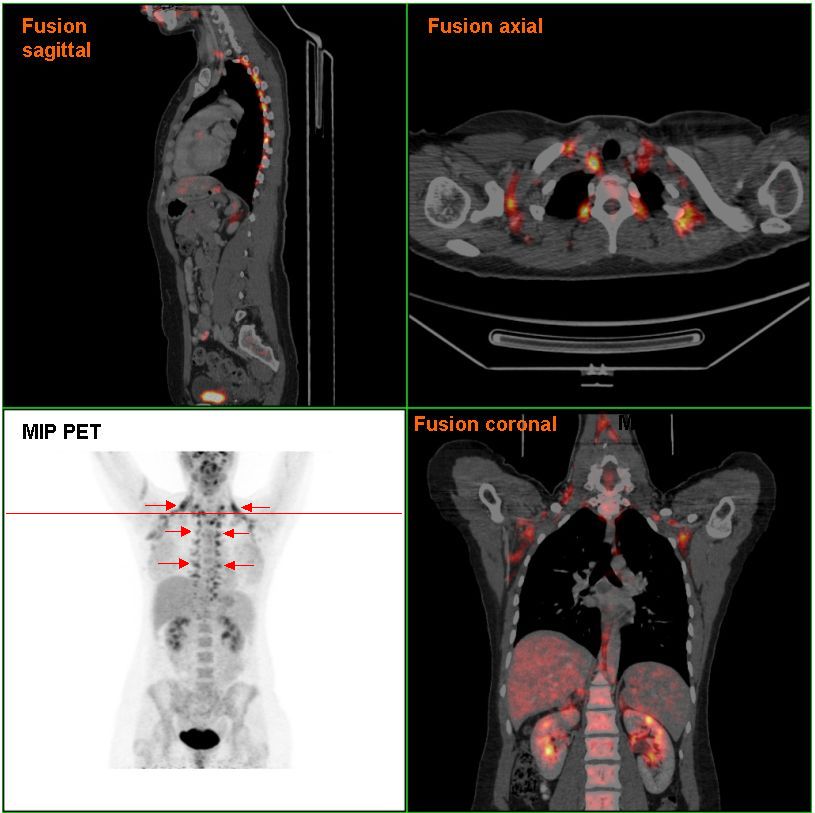
Hospitals have spent years imaging brown fat without meaning to. The heat-producing fat burns energy instead of storing it, and it shows up on the same scans doctors use to track cancer. A team led by Paul Cohen at The Rockefeller University, working with Memorial Sloan Kettering Cancer Center and Weill Cornell Medicine, used an AI tool to read that accidental archive at scale. Their study, published in Nature on October 14, 2026, links active brown fat to lower odds of several common diseases and points to a familiar blood-pressure drug as a possible way to switch it on.
The archive exists because of how these scans work. Before a PET/CT scan, patients are injected with a radioactive form of glucose. Tissues burning a lot of fuel, such as tumors and active brown fat, soak it up and glow on the image. The researchers gathered scans and medical records from 101,243 cancer patients at Memorial Sloan Kettering, and 8,897 of them had detectable brown fat on at least one scan.
Measuring that fat by hand across thousands of scans was impractical, so a machine-learning tool did it semi-automatically. In 8,709 people, the tool outlined brown fat in six body regions and measured how much glucose it took up, which served as the study's measure of activity. That measurement let ordinary statistics test whether more active brown fat went along with better health.
To make the comparison fair, researchers matched 26,302 patients with and without brown fat on age, sex, body mass index and outdoor temperature at the time of the scan, and adjusted for cancer type, stage and treatment. They reported the results as odds ratios, which compare how often a diagnosis appears in one group against the other. A value of 1 means no difference, and lower values mean the diagnosis was less common in people with brown fat. Type 2 diabetes had an odds ratio of 0.42, meaning people with brown fat had less than half the odds of that diagnosis. Chronic ischemic heart disease came in at 0.53. Anxiety and depression, a link the researchers say had not been described before, were less common too, by smaller margins. The more active the brown fat, the lower the odds tended to be.
The same records held a drug lead. Patients taking losartan, a common blood-pressure medication, were more likely to have brown fat. In lab-grown brown fat cells, losartan raised levels of UCP1, the protein that lets brown fat turn fuel into heat, through a route separate from its blood-pressure effect. Healthy male mice given the drug burned more energy without gaining or losing weight.
Because the study looked back at existing records from cancer patients, it shows associations and cannot prove that brown fat causes better health. Losartan's effect on brown fat has also been shown only in cells and mice. The work turns routine cancer scans into a large map of brown fat's links to health and gives researchers a familiar drug to test in people.
More on these ideas