Moody's spares France a downgrade, but keeps the warning in place
3 min read
Finance / 3 MIN READ
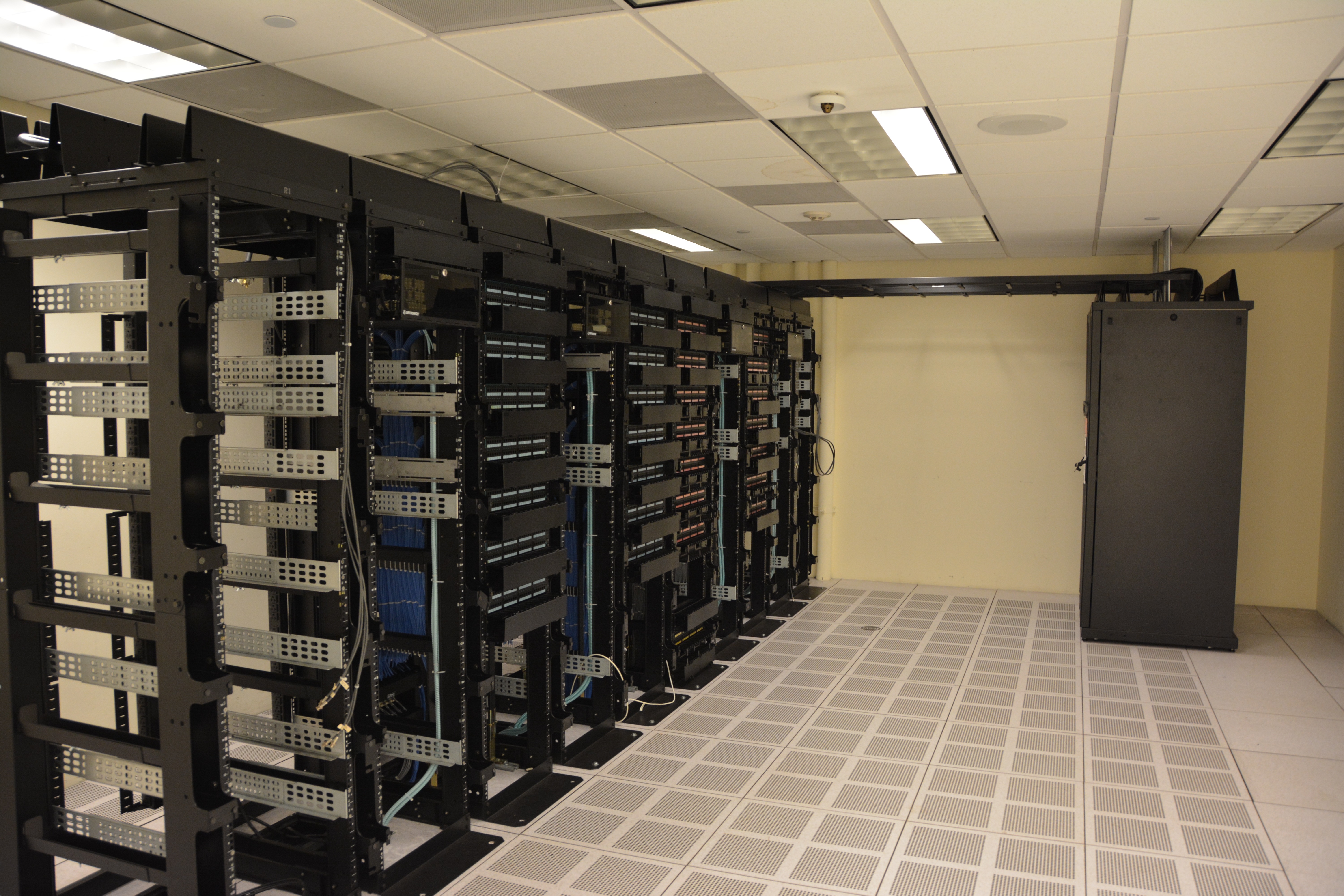
CoreWeave's shares were on track for their worst week in more than 11 months, Reuters reported, but the louder warning came from its lenders. The company fills data centers with Nvidia chips and rents the computing power to AI companies. Its shares closed Friday, October 16, at $61.39, about 25% below their close a week earlier.
Those lenders matter because CoreWeave builds first and collects rent later. In the first half of 2026, its operations brought in $3.7 billion in cash while it spent $14.1 billion on equipment and data centers, so borrowing filled most of the gap. By June 30 it had about $35 billion of debt, or about $52 billion including lease obligations, by its own accounts.
A bond is a loan that investors can trade. In April, CoreWeave sold 2031 bonds at about full price, promising $97.50 a year for every $1,000 lent, a fixed 9.75% rate called the coupon, and the $1,000 back at the end. When lenders doubt they will be paid, they sell and the price falls.
Midweek, that bond sank to about 78 to 79 cents on the dollar. By Friday afternoon it had partly recovered to 83.35 cents, FactSet data cited by MarketWatch showed. A buyer paying $833.50 still collects $97.50 a year and gets the full $1,000 back in 2031 if CoreWeave pays. That return, spread over the remaining years, is the yield. It was 14.58% that afternoon, down from about 16% midweek but well above the coupon. A five-year US Treasury bond, a low-risk loan to the US government over a similar period, yielded 4.89% at Friday's close, so lenders wanted roughly 10 percentage points more from CoreWeave.
Insuring that debt got pricier too. Credit default swaps, which pay out if a borrower defaults, are priced in basis points, hundredths of a percentage point, so 1,000 means protection costs about 10% of the insured amount a year. CoreWeave's touched a record 1,194.5 on Thursday, Bloomberg reported, and stayed above 1,000 on Friday, CNBC said. Gavan Nolan of S&P Global Market Intelligence told CNBC a level above 1,000 is "generally a sign of credit distress."
None of this means CoreWeave has defaulted, and no missed payment has been reported. It still pays the fixed 9.75% coupon. The pressure lands on future borrowing, because a company burning cash needs new loans, and higher yields make each data center costlier to finance. CoreWeave's chief executive, Michael Intrator, wrote in an internal memo, reported by CNBC and Reuters, that its backlog "more than supports all of our debt obligations." That backlog, about $104 billion at June 30 by CoreWeave's measure, is contracted future revenue that counts only on delivery.
Reuters linked the week's selling to September consumer prices, up 3.7% from a year earlier, which boosted bets that the Federal Reserve, the US central bank, will raise interest rates, making borrowing more expensive. The Fed's October 28 decision and CoreWeave's expected November results will show whether lenders keep demanding more to finance AI.
More on these ideas