
Chrome now asks permission before opening unencrypted public sites
3 min read
Technology / 3 MIN READ
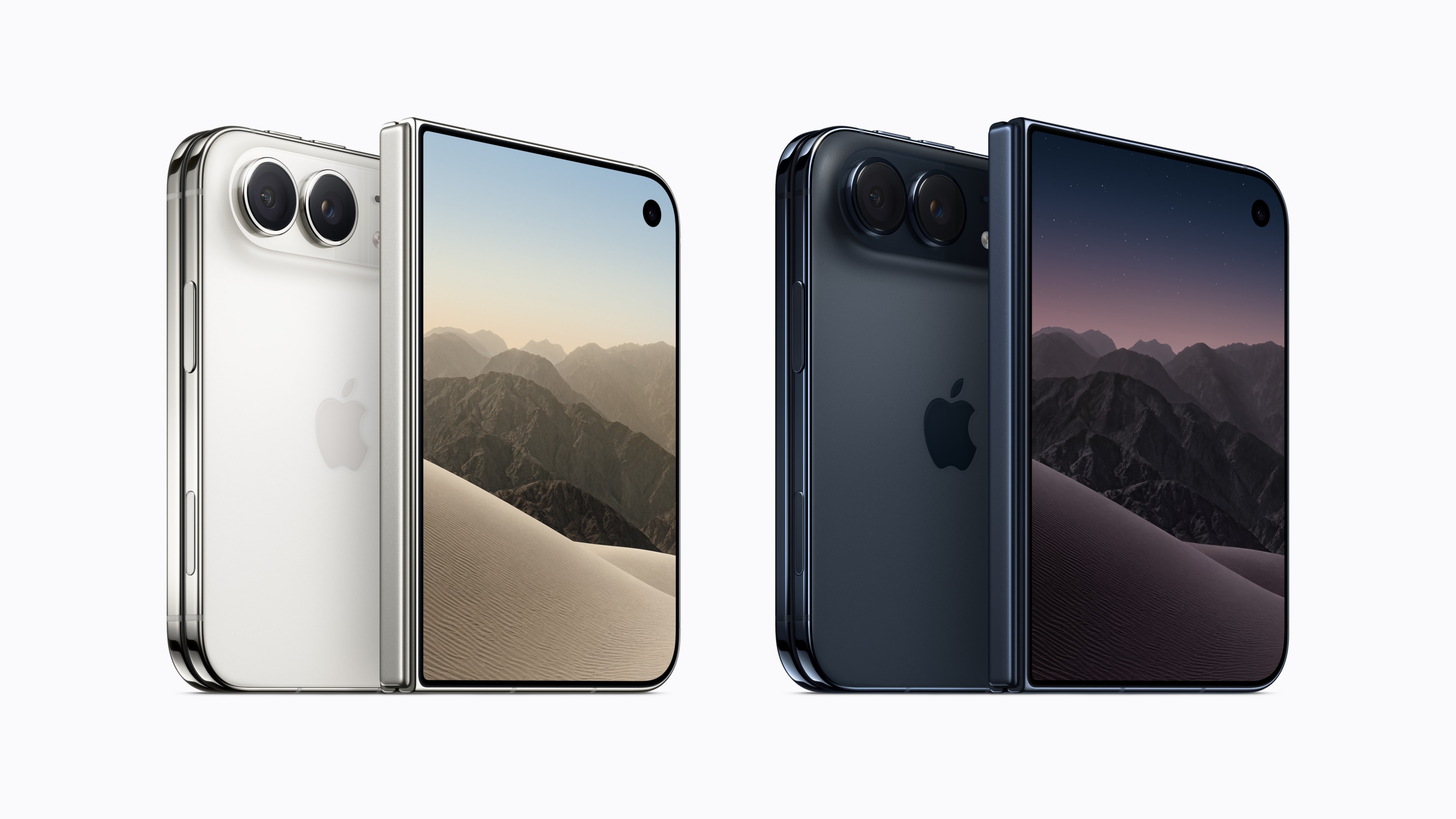
Samsung has been selling phones that fold since 2019, and on October 23, Apple finally put one of its own in stores. The iPhone Duo, Apple's first foldable iPhone, went on sale that day in more than 70 countries and regions. It starts at $1,999 in the US for 256GB and, MacRumors reported on October 16, tops out at $3,199 for 2TB.
Closed, the Duo has a 5.4-inch outer screen, and it opens like a book to a 7.6-inch inner screen that Apple says is the largest display ever on an iPhone, 50% larger than the iPhone 18 Pro Max's. Apple also calls it the thinnest iPhone yet when open, at 5.2 mm, although it measures 11.3 mm closed and weighs 254 grams, which Wired notes is heavier than Samsung's 201-gram Galaxy Z Fold8.
The inner screen has no gap down the middle because the display panel itself bends. Apple says a hinge built from more than 100 components holds the screen flat when open, while adhesives let the glass layers around the panel slide past each other "like the pages of a book" so the bend does not strain them. A matte top layer cuts glare and, according to Apple, makes the fold line less visible. Power comes from two batteries, one in each half, working as one, and Apple's August lab tests on preproduction units put battery life at up to 24 hours of typical use. Wired's reviewer, after about a week of average use, ended most days with around 40% left.
The fold line is still the weak spot of folding screens, and Apple's matte layer makes it harder to see without removing it. In one informal YouTube test that folded a Duo 11,500 times, the crease became "significantly more noticeable" after 10,000 folds while the hinge stayed smooth, Digital Trends reported on October 22. Wired's October 21 review gave the phone 7 out of 10, calling it "an astonishingly good first foldable" while listing its weight and many apps not yet adapted to the bigger screen.
Demand ran ahead of Apple's stock. Within minutes of pre-orders opening on October 16, delivery estimates slipped to November, and within half an hour they reached January 25, 2027, MacRumors reported. That shows early stock running out, not how many phones were sold, and Apple has released no sales numbers, though it told Reuters stores would have only "limited" units for walk-in buyers. On September 7, before the unveiling, Counterpoint Research forecast that Apple could ship up to 6 million foldables in 2026, about 25% of all foldables shipped worldwide that year, in a category that makes up only around 2% of all smartphones.
The software is unfinished too, since Apple's new AI-powered Siri is still in beta, started in English and, Apple said, will not reach the EU at first. For anyone weighing a $1,999 phone with deliveries stretching into January, Wired's suggestion to wait a few months for app developers to catch up is the most practical takeaway.
More on these ideas