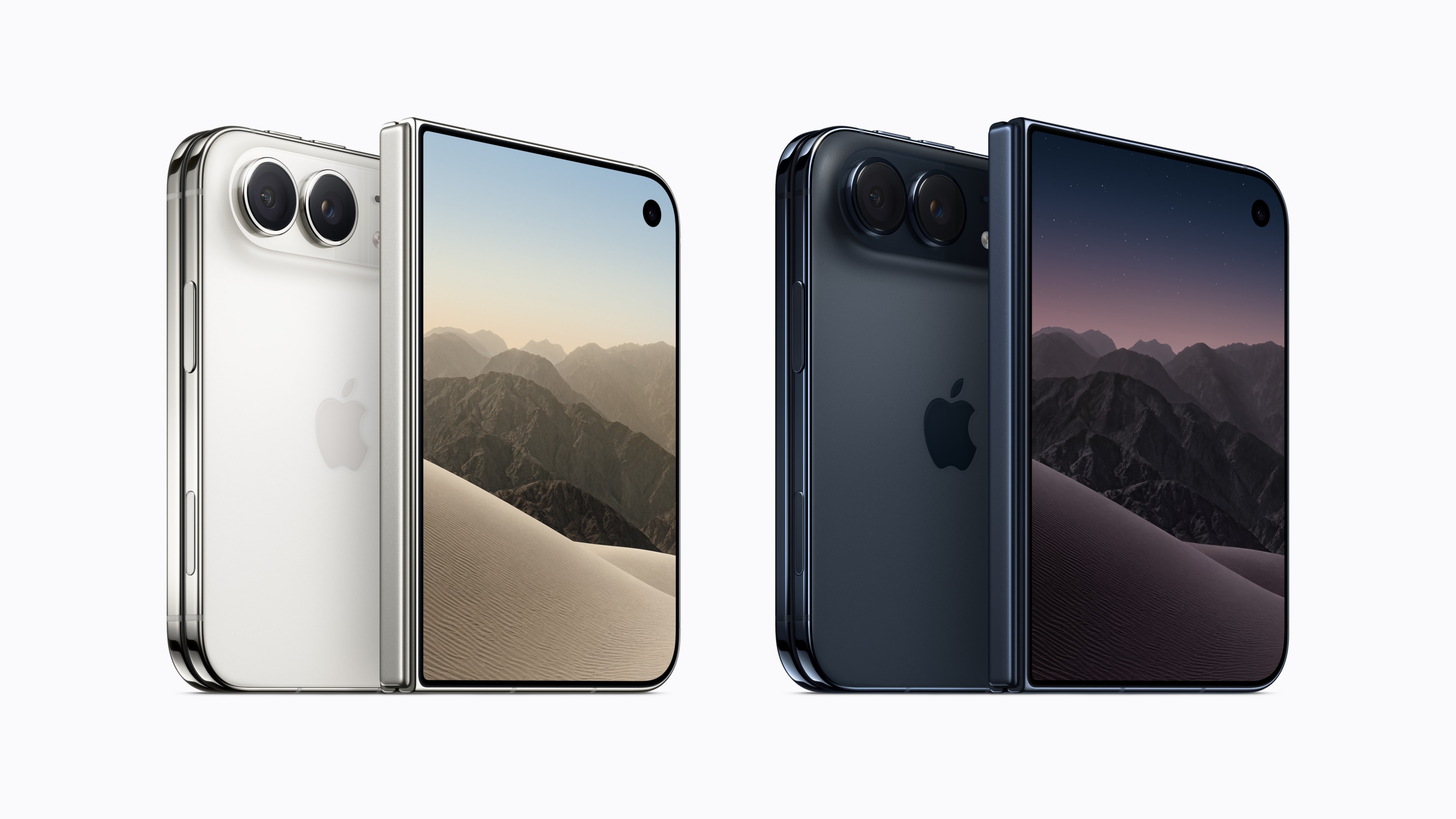
Apple's first foldable iPhone goes on sale from $1,999
3 min read
Technology / 2 MIN READ

A satellite roughly the size of a refrigerator is now carrying Google's AI chips around the Earth. On October 1, Google confirmed that its Project Suncatcher prototype had reached orbit on SpaceX's Transporter-18 mission and was operating as expected. The spacecraft, built in partnership with the satellite company Planet, is the start of a research effort to see how Google's tensor processing units, or TPUs, the chips it designs for machine learning, cope with launch vibration, radiation and extreme temperatures.
The reason to put AI chips in space at all is sunlight. A future system would fly in a dawn-dusk sun-synchronous orbit, riding the boundary between day and night in near-constant sun, which Google Research has argued can make solar panels far more productive than at typical sites on Earth. The current prototype is in a standard orbit and runs on batteries. Space also creates a problem for computers, because there is no air to carry heat away. Google is testing heat pipes and radiators, and Travis Beals, Google's senior director for Paradigms of Intelligence, says the radiators are among the heaviest parts of the prototype.
That heat limit shapes what the prototype can do. NPR reported that it carries four TPUs and will run a version of Google's open-weight Gemma model for about fifteen minutes at a time, answering simple queries.
The orbital test builds on earlier work on the ground. Google exposed its Trillium chips, also known as Cloud TPU v6e, to proton beams to probe how they tolerate radiation. Those were pretests, and the measurements from orbit are still being collected.
Beals has described Suncatcher as a long-horizon moonshot to find out whether clusters of solar-powered satellites could one day handle large machine-learning workloads. He has also said the approach is unlikely to be cheaper than computing on Earth within about five years. Google's next planned step, in 2027, is to fly two satellites and test high-bandwidth laser links between them.
For now, Google's TPUs are getting their first real test in orbit, and what fails there will decide whether laser-linked computing clusters in space are worth building.
More on these ideas