Apple's first foldable iPhone goes on sale from $1,999
3 min read
Research breakdown / Technology / 2 MIN READ
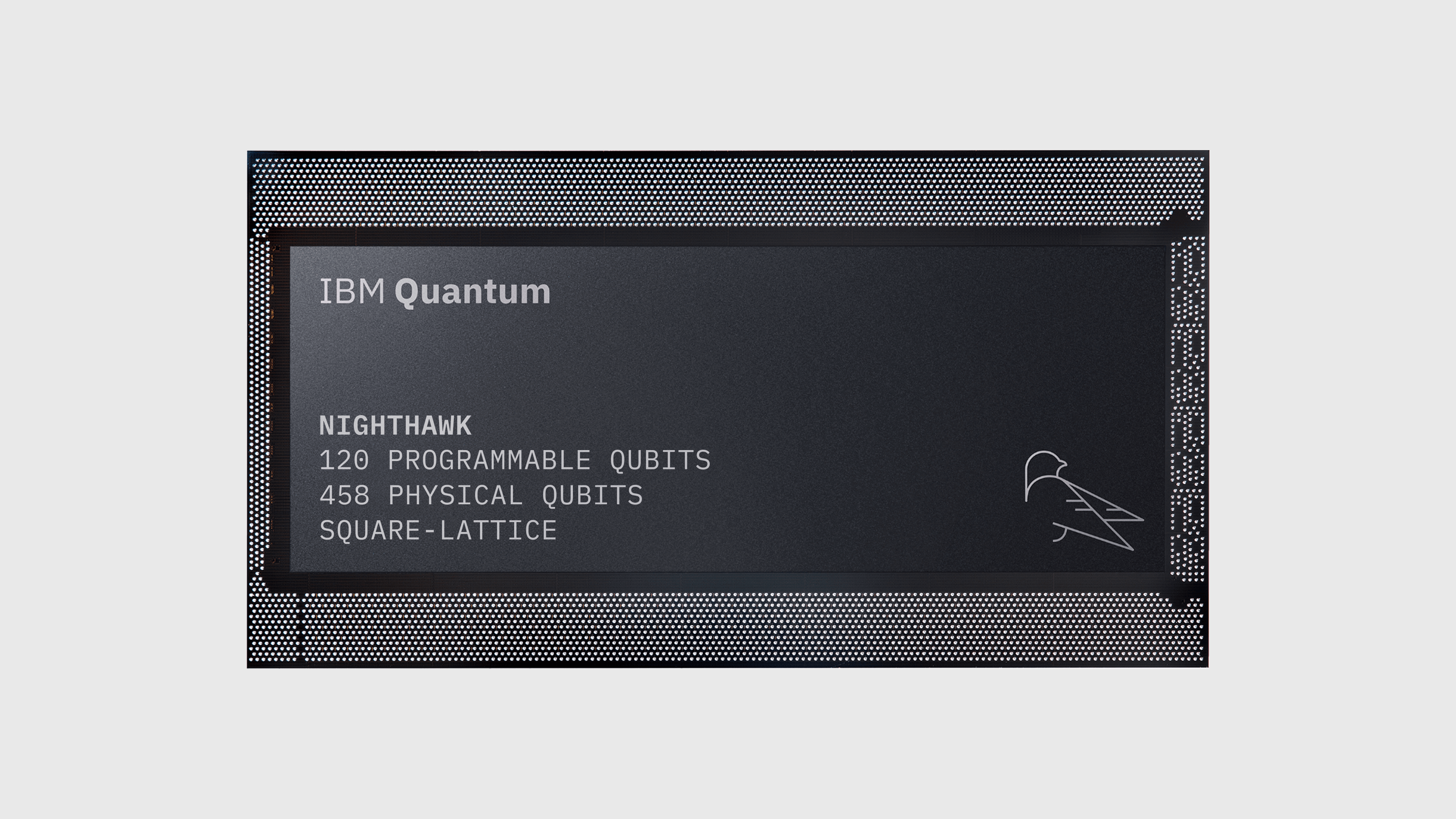
Nineteen seconds on a quantum processor, compared with about 110 years on a leading supercomputer, is a striking claim. A BlueQubit-led team reports that gap for a narrowly defined computing test, with one important distinction: the 19 seconds was measured, while the 110 years comes from the authors’ estimate.
The work appeared in a preprint posted on September 23, 2026, and has not been peer-reviewed. The researchers used IBM’s cloud-accessible Nighthawk r2 processor to collect one million samples from an experiment known as random circuit sampling.
In that experiment, the processor runs a scrambled sequence of quantum operations and then measures the result as a string of zeros and ones. Repeating the process produces a collection of samples. An ordinary computer has to reproduce the pattern of outcomes, including how often different strings appear, closely enough to meet the test’s quality requirement. That becomes harder as more layers of quantum operations are added.
The team used 61 of the chip’s 120 qubits, the basic units of information in a quantum computer. It collected the million samples in 19 seconds through IBM’s standard cloud software and reported no special tuning for this particular test. The experiment ran through a service that startups can reach using program credits, so they would not need their own quantum laboratory to attempt it.
The much longer comparison comes from calculating what conventional hardware would need to do to match the sample collection at a specified quality. The authors used a particular simulation method to estimate that cost, then projected it onto Frontier, one of the world’s fastest supercomputers. Frontier did not actually spend 110 years attempting the task.
That means the size of the gap depends on the method used to calculate it. Researchers working on conventional computers have previously found better simulation techniques that reduced the apparent advantage of quantum experiments. This paper also discusses ways its comparison could be challenged.
The result therefore concerns a specific sampling problem, with no demonstration of a faster way to design drugs or solve everyday computing tasks. What it offers is a demanding benchmark produced through an accessible cloud workflow.
The researchers have made the circuits, samples and analysis code public. That gives other teams concrete material to examine: they can attempt to repeat the quantum run or find a cheaper conventional way to match its samples, testing how much of the reported gap survives.
More on these ideas