Apple's first foldable iPhone goes on sale from $1,999
3 min read
Technology / 3 MIN READ
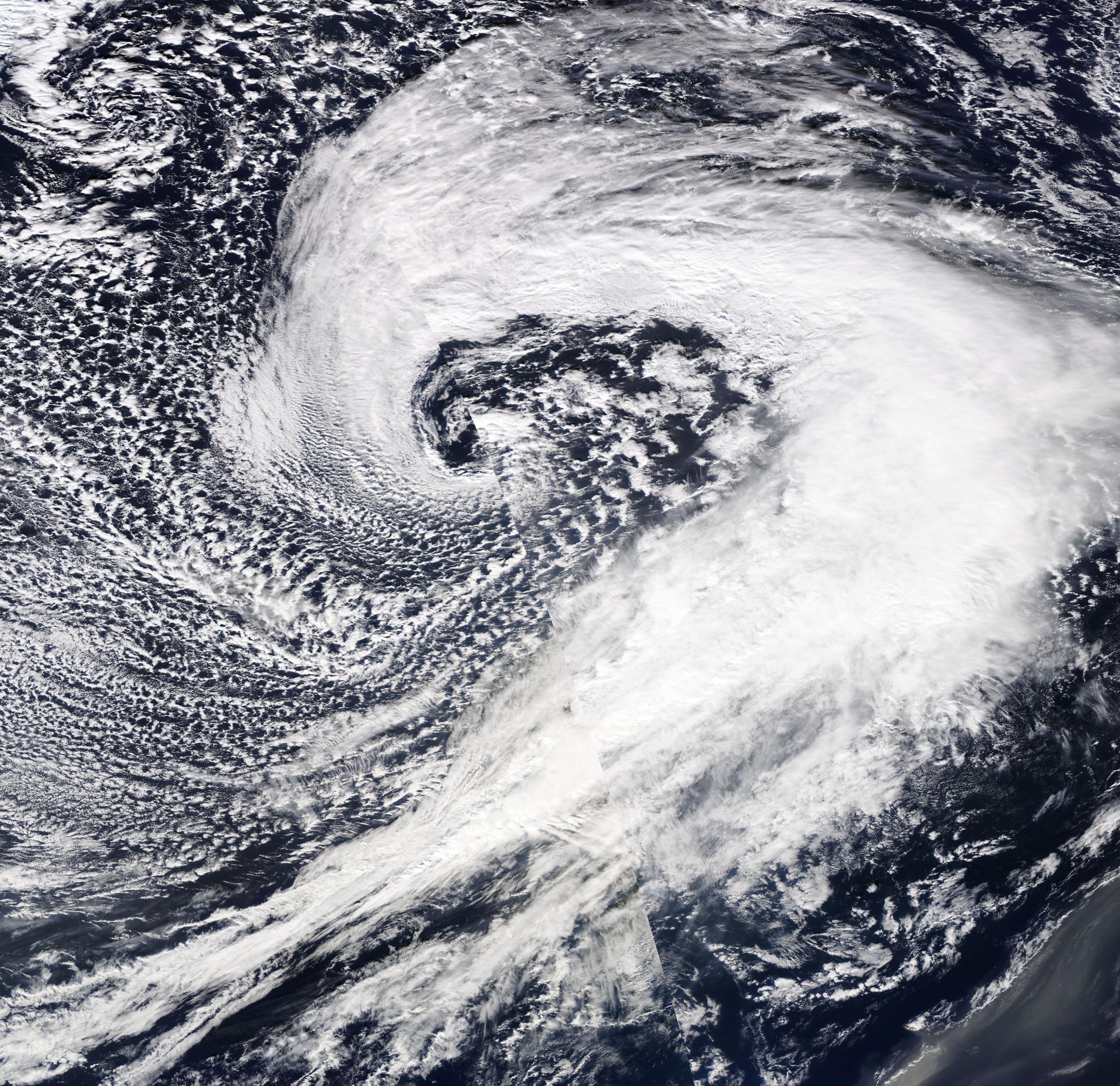
A month is practically a lifetime in weather forecasting. Small errors grow, predictions drift, and the atmosphere refuses to cooperate. So when a system called MicroDuet flagged unusually cold weather heading toward the eastern United States several weeks ahead, it had something to show for itself.
The forecast, issued on November 20, 2025, anticipated a mid-December cold-air outbreak that the European Centre for Medium-Range Weather Forecasts, or ECMWF, missed in its own corrected forecast. MicroDuet was able to do this because it uses a system that learns where weather models keep going wrong and adjusts their predictions to account for those recurring mistakes.
This approach is described in a Nature paper published on October 14, 2026. Researchers led by Microsoft Research’s Lester Mackey and MIT’s Judah Cohen developed an add-on called probabilistic bias correction, or PBC, for forecasts looking two to six weeks ahead.
It does this by comparing a weather model’s previous forecasts with what actually happened and identifying recurring errors. For example, a model might regularly predict warmer conditions than a region actually experiences. Once PBC learns that tendency, it can adjust future forecasts to account for it. And as new forecasts and observations come in, the tool updates daily, giving it more information to work with.
This resulted in what you could think of as a revised set of odds for the weather ahead. To find out whether those revised odds were more useful, researchers compared the forecasts with what historical weather patterns alone would suggest.
They measured the improvement using a “skill score.” On this scale, a score of zero means a forecast provides no improvement over relying on those historical patterns, while a positive score means it performs better. With PBC, the average skill score of ECMWF’s AI forecasting system rose from about 0.03 to 0.06. The score roughly doubled, although both values remain close to zero, so there is still plenty of room for improvement.
MicroDuet also delivered in ECMWF’s live AI Weather Quest competition, where predictions had to arrive before the weather did. It finished first for every weather variable and lead time in the September-to-November 2025 season, outperforming corrected forecasts from six operational centers and entries from 34 teams.
Microsoft says that Kenya’s weather service is testing PBC this rainy season. And because the code is open source and the tool can run without a supercomputer, which means weather services with smaller budgets could try it too. They would still need forecasts from an existing model, but PBC could help them get more useful information from those forecasts. For farmers deciding when to plant, that could mean having a better idea of the rain ahead while there is still time to plan around it.
More on these ideas