Apple's first foldable iPhone goes on sale from $1,999
3 min read
Research breakdown / Technology / 2 MIN READ
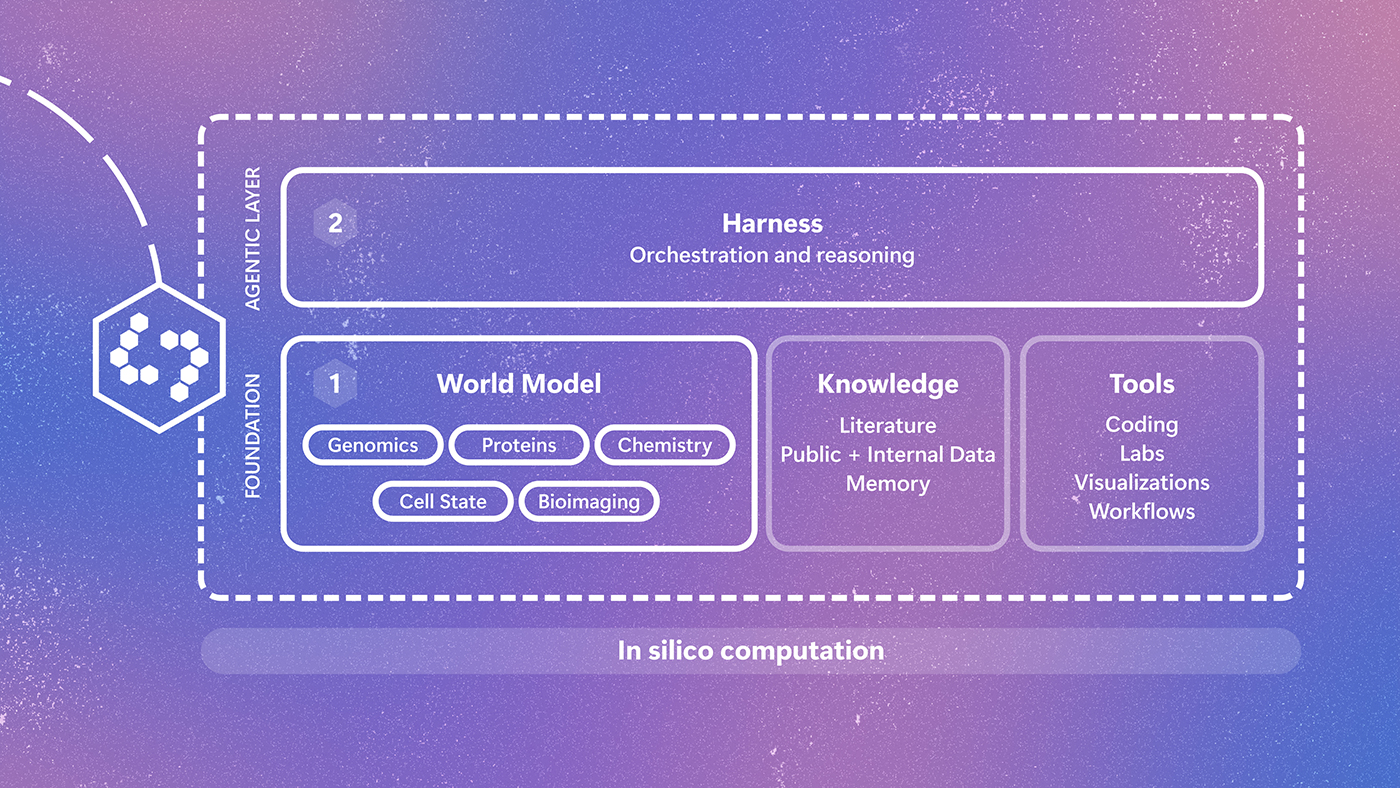
Testing an idea in a biology lab can take weeks, so choosing which experiments to run is one of the most expensive decisions in research. Microsoft Research says its new experimental AI system, Quine, helped make that choice for pancreatic cancer, narrowing thousands of candidate compounds to a short list that collaborators at the Broad Institute of MIT and Harvard then tested in the lab. Microsoft introduced Quine on September 29, 2026.
Microsoft describes Quine as a multimodal world model of biology, meaning a model trained to represent how genes, proteins, cells and images relate to one another, combined with an interactive harness. That harness connects the model to scientific tools, published literature, partner labs and researchers, so a question can move to a proposed experiment, then to lab results and on to the next question.
The team applied Quine to pancreatic ductal adenocarcinoma, or PDAC. In this cancer, a tumor's behavior depends partly on its cell state, the set of genes its cells are actively using, and not only on its mutations. PDAC cells can shift from a state called classical toward one called basal, and Quine ranked thousands of compounds by how strongly they were predicted to drive that shift. Broad collaborators then tested the top-ranked candidates in several kinds of assays.
According to Microsoft, the highest-ranked compounds produced the largest intended shifts in gene activity. Shifts in the reverse direction were weaker, as the model had predicted, and some compounds pushed cells toward a third state that Quine had also flagged. Microsoft says the computational ranking took about a weekend, compared with months for conventional screening, though that is the company's description of its process and was not measured in a head-to-head comparison.
Those results come mainly from Microsoft's blog, project site and video. No peer-reviewed paper describing Quine's methods and results was located with the announcement, and the compound identities, effect sizes and full statistics have not been fully published. Microsoft also says Quine is for research only, and its outputs can be incomplete or wrong without expert review and lab checks.
Outside scientists will get a chance to test it. Microsoft is accepting applications for a Quine Fellows program until November 2, 2026. If those researchers find the rankings hold up, labs could spend scarce experimental time on better-chosen candidates.
More on these ideas