
Apple's first foldable iPhone goes on sale from $1,999
3 min read
Research breakdown / Technology / 2 MIN READ
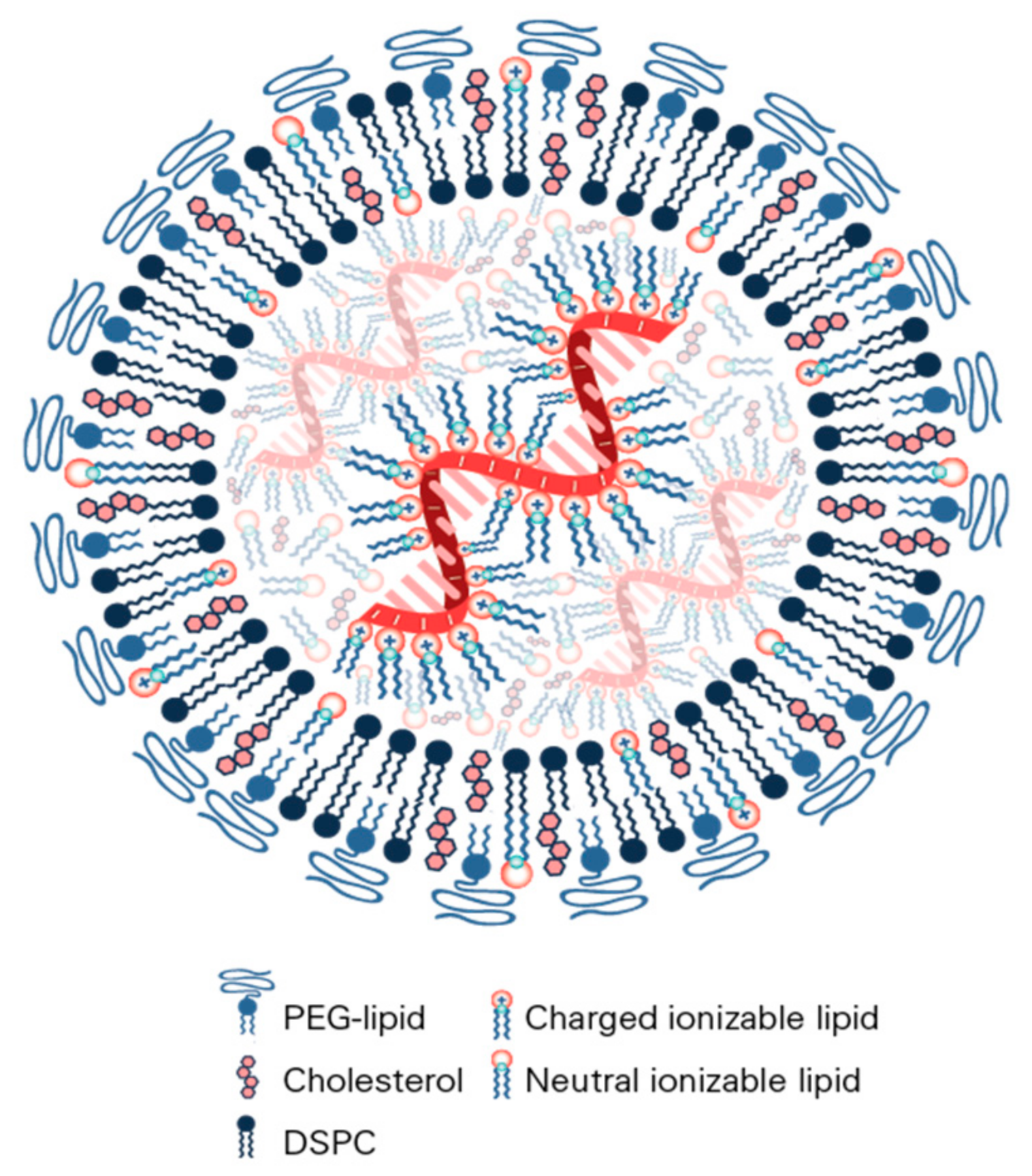
mRNA vaccines have spent their short history tied to the freezer, and MIT engineers have found a way to loosen that tie, at least in mice. On September 28, 2026, researchers at MIT's Koch Institute and CSAIL reported in Nature Biotechnology a method for reformulating Moderna- and Pfizer-class vaccine particles so they stay potent after being dried and kept warm.
Those particles are the reason for the cold. An mRNA vaccine delivers genetic instructions wrapped in tiny fat particles called lipid nanoparticles, which help the instructions enter cells. The particles spoil when they warm up, so Covid-era shots still need storage as cold as -20 to -80 °C. That cold chain breaks down in places where power is unreliable or the last stretch of delivery is long.
To make the particles sturdier, the team used a small-data AI optimizer called AGENT to search for good recipes. It tested combinations drawn from about fifty FDA-approved helper ingredients, such as sugars, salts and polymers, that could stiffen and protect the particles.
The best recipes held up well. After vacuum drying, the reformulated vaccine produced immune responses in mice that matched a fresh Moderna-like Covid mRNA shot, even after being stored for up to one year at room temperature or about two months near body temperature, 37 °C (98 °F), according to MIT News and the Nature briefing.
Those tests used a SARS-CoV-2 antigen as the cargo, so they do not show that every future mRNA vaccine will work in the same shell. The authors have said a heat-stable shell for a given particle family should be able to carry other mRNA cargos, which is still an expectation that would need testing disease by disease.
The same mixtures can also be cast into dissolving microneedle patches, which deliver vaccine through the skin without a syringe. MIT News describes patch results in rodents similar to those from injected shots, and the Nature briefing notes immune responses from the patches in nonhuman primates. Those results are still preclinical.
The work has not produced an approved version of any commercial vaccine, and it has not yet faced warehouse humidity, real shipping or human trials. What it offers is a recipe for the same clinical-class particles already in use, reinforced with approved ingredients, that could someday let familiar vaccines reach distant clinics without a deep freezer.
More on these ideas