
Apple's first foldable iPhone goes on sale from $1,999
3 min read
News / Technology / 2 MIN READ
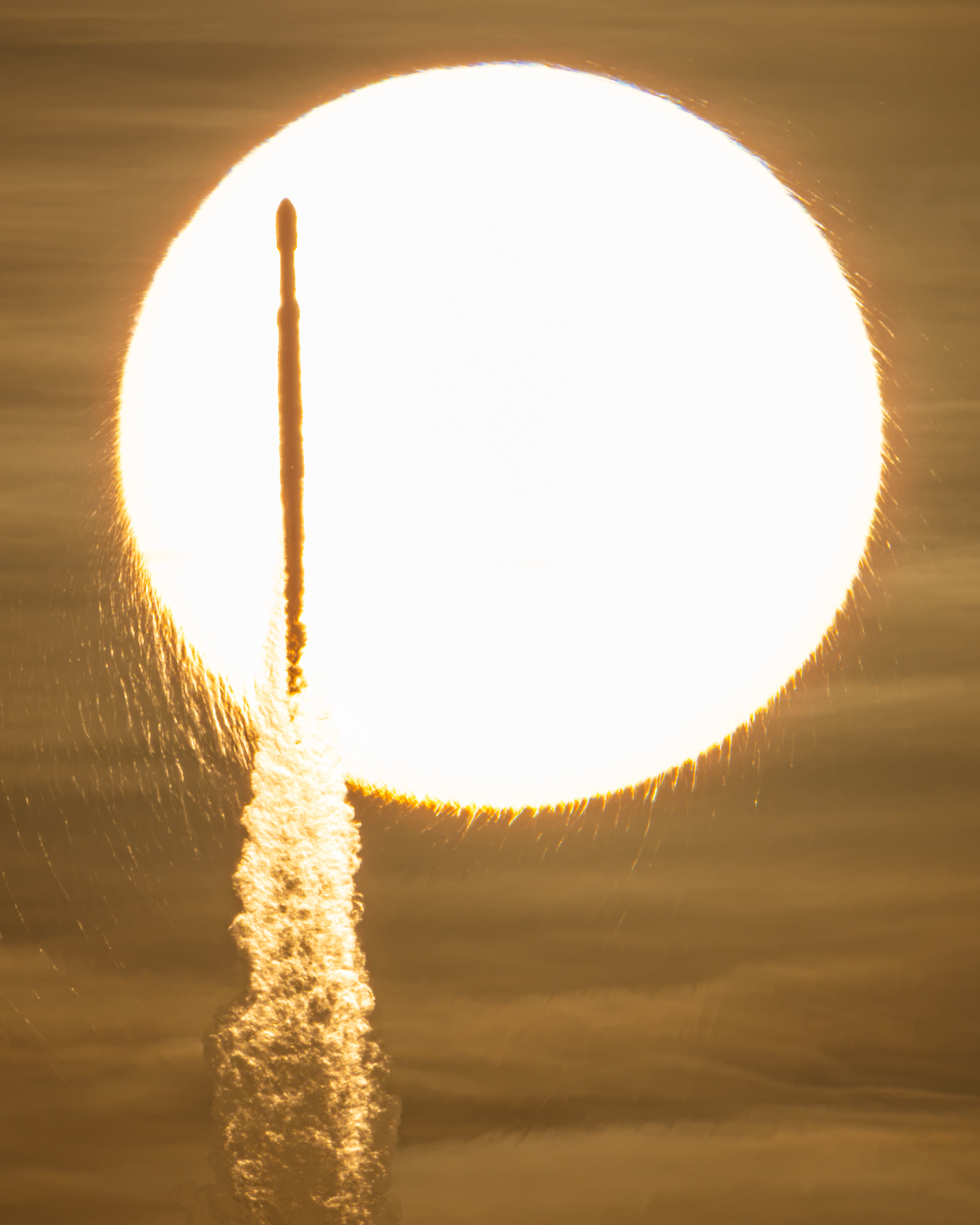
NASA's Nancy Grace Roman Space Telescope has not even reached its observing post yet, and its main camera is already switched on. Roman is the agency's next major astrophysics observatory after the James Webb Space Telescope, built to survey huge stretches of sky in infrared light while hunting for clues to dark energy, dark matter and planets orbiting other stars.
The telescope launched on August 30, 2026, aboard a SpaceX Falcon Heavy. It is now on a roughly three-month trip to Sun-Earth Lagrange Point 2, a quiet spot in deep space about 1.6 million kilometers from Earth where Webb also operates.
https://svs.gsfc.nasa.gov/vis/a010000/a015000/a015089/ROMAN_WRAP_WIDE_1080.mp4
On September 15, still in transit, NASA activated the Wide Field Instrument, the camera that does most of Roman's work. It spreads about 300 million infrared pixels across 18 detectors, which helps it capture such wide patches of sky at once. Before the camera could take a picture, teams let the detectors dry out, cooled them and ran calibration, focus and mechanism checks. NASA then described an out-of-focus engineering "first light" image taken while the detectors were still coming online. That image is part of commissioning, the process of checking that everything works, and it is separate from the science images still to come.
Those wide views are the reason Roman exists. NASA says its surveys can cover sky far faster than Hubble could for comparable programs. Roman also carries a coronagraph, a device that blocks a star's glare so nearby planets can be seen. On Roman it is a technology demonstration, meant to test methods that future planet-imaging missions could use.
The planned prime mission lasts five years, and Roman may have fuel for far longer. After launch, NASA reported that an efficient early course correction saved enough propellant to potentially stretch operations past twenty years. The original design called for about five years of science plus roughly five years of fuel margin.
NASA's instrument blog has pointed to science images by early 2027. The camera that will make Roman's sky maps has already passed its first checks, and the next step is reaching L2 and bringing those images into focus.
More on these ideas