
Apple's first foldable iPhone goes on sale from $1,999
3 min read
News / Technology / 3 MIN READ
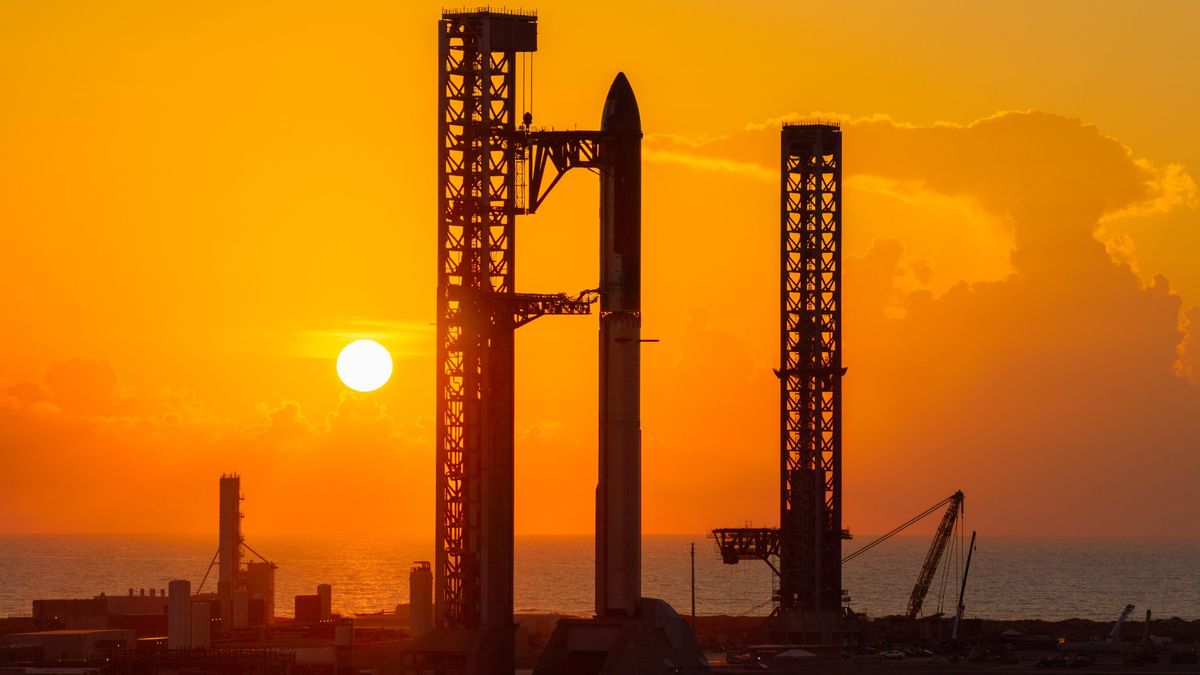
SpaceX’s Starship completed its first orbital flight on Monday. Flight 14 put Ship 41 into low Earth orbit, released a full stack of Starlink V3 satellites, flew a controlled deorbit and reentry, and splashed down in the Pacific north of Hawaii about three hours after liftoff. The vehicle left Starbase’s Orbital Launch Pad 2 at 12:49 UTC on 28 September 2026, with Booster 21 under Ship 41 on Starlink Group 31-1. After hot-staging, Booster 21 splashed down in the Gulf of Mexico about seven minutes into the flight. A tower catch was not planned. Some booster engines failed to relight on the boostback and landing burns (26 of 28, then 11 of 13), though splashdown still succeeded. During Ship 41’s ascent, Space.com and BBC live coverage of the SpaceX webcast reported that one vacuum-optimized Raptor engine, a Raptor version built to fire in space, shut down earlier than planned. The ship compensated with its remaining engines and finished the ascent burn. Controllers briefly sounded a no-go for orbit on the webcast, then cleared insertion after a health check. Ship 41 completed its orbital insertion burn around 13:14 to 13:17 UTC and entered a sustained low Earth orbit in the roughly 262 by 277 kilometer range, about 275 kilometers class, according to reporting grounded in Space.com and the BBC. Payload deployment began about half an hour after liftoff. By about 13:54 UTC, the BBC reported that all 26 Starlink V3 satellites had been released. Follow-up coverage said the satellites had been contacted. Three carry cameras meant to watch the ship’s heat shield. The satellites still need checkout and orbit raising before they can serve customers. SpaceX then shortened the planned multi-orbit coast. Citing an abundance of caution after the ascent engine issue, the company used a pre-cleared Hawaii contingency instead of the longer profile that would have ended near Chile around 22:39 UTC. That early return was a planned backup path, not a late failure on the way home. Ship 41 flew its first orbital deorbit burn, reentered, and splashed down in the Pacific north of Hawaii around 15:57 UTC, about three hours and eight or nine minutes after liftoff. An ocean tip-over and propellant fireball after splash is the expected end for this kind of test landing, not a soft intact float like some earlier imagery of Flight 13 suggested to casual viewers. Desk reports framed the day as primary test objectives met: first Starship orbit, full Starlink V3 delivery, and a controlled return from orbit. The FAA’s mishap framing in early coverage did not treat the flight as a failed mission. What Flight 14 did not fly was the full roughly ten-hour, six-orbit endurance day. The historic firsts still stand, with the early engine shutdown and the shortened coast kept honest in the record. video
More on these ideas